

DON’T SUFFER IN PAIN
Emergency Dentistry in Oakville
URGENT DENTAL CARE
Don’t Suffer Without Treatment
Dental emergencies require prompt treatment. They are painful, and it’s critical for your oral health to have an urgent dental situation tended to as soon as possible. However, dental emergencies can also strike unexpectedly, often outside regular office hours, leaving you in pain and wondering what to do.
At South Oak Dental in Oakville, we provide emergency dental care when you need it most.
We offer same day appointments and flexible payment options, so you can have peace of mind and get the treatment you need right away. Simply call us, and let us know the nature of your emergency – we are here to help!
Get the Help You Need For Your Dental Emergency
Offering Emergency Dental Treatment
Whether you have a fractured tooth, dental abscess, damaged or broken dental device (such as a crown, bridge, veneer or denture) severe toothache, or other emergency dental issues, our Oakville dental office will help. We are able to provide treatment for most common dental emergency situations.
It is of utmost importance to take swift action, especially in certain cases like a knocked out tooth, where the tooth can be saved if treated in time. Dental emergencies require immediate attention and should never be ignored or delayed.
Do You Need Urgent Dental Care?
When severe tooth pain or other dental emergencies arise, waiting for a regular appointment is not an option. If you are in significant pain or have another situation that requires immediate attention to prevent further complications, our dedicated team is ready to assist you.
Our Dental Emergency Services
Dr. Sidiura can handle a range of dental emergencies, ensuring you receive the care you need without delay. Below are some common dental emergencies we treat, with instructions on what to do until you come in to be seen.
If in doubt about whether your situation is an emergency or if we can help, call us, and we will guide you.
Knocked Out Tooth
- It may be possible to save the tooth if you are treated in time.
- Handle the tooth by the crown (avoid touching the roots of a tooth).
- Rinse it gently under running water to remove debris.
- If possible, place the tooth or crown back in the socket to prevent it from drying out
- Use a clean cloth or gauze to control any bleeding. An over the counter pain medication can be used to relieve pain until your visit.
Crown
- If your crown has fallen out, retrieve it and store it in a safe, clean container and bring it to your emergency appointment.
- If it is simply loose, you may be able to use temporary dental cement to secure it.
- Avoid using the tooth until treated.
- We may be able to re-cement a loose or fallen crown.
- If it is damaged or chipped, we may be able to repair it.
- When necessary, we will replace the crown.
Tooth Fracture
- Rinse your mouth with clean water.
- Apply a cold compress to reduce swelling.
- Over-the-counter pain relievers can help with discomfort until your visit.
- Save any tooth fragments in milk and bring them to our Oakville dental office.
Infected Tooth
- If you have severe tooth pain, or swelling, bleeding, or pus around a tooth, you may have an infection.
- Prompt treatment is essential to avoid tooth loss.
Soft Tissue Injury
- Rinse your mouth with warm salt water, and apply a clean cloth or gauze with pressure to control bleeding.
- A cold compress will help manage pain and swelling.
- Seek immediate dental or medical attention.
Benefits of Emergency Dentistry and Prompt Treatment
It’s critical to visit an emergency dental clinic as soon as possible for your comfort, and your oral health.
Relieving Your Pain
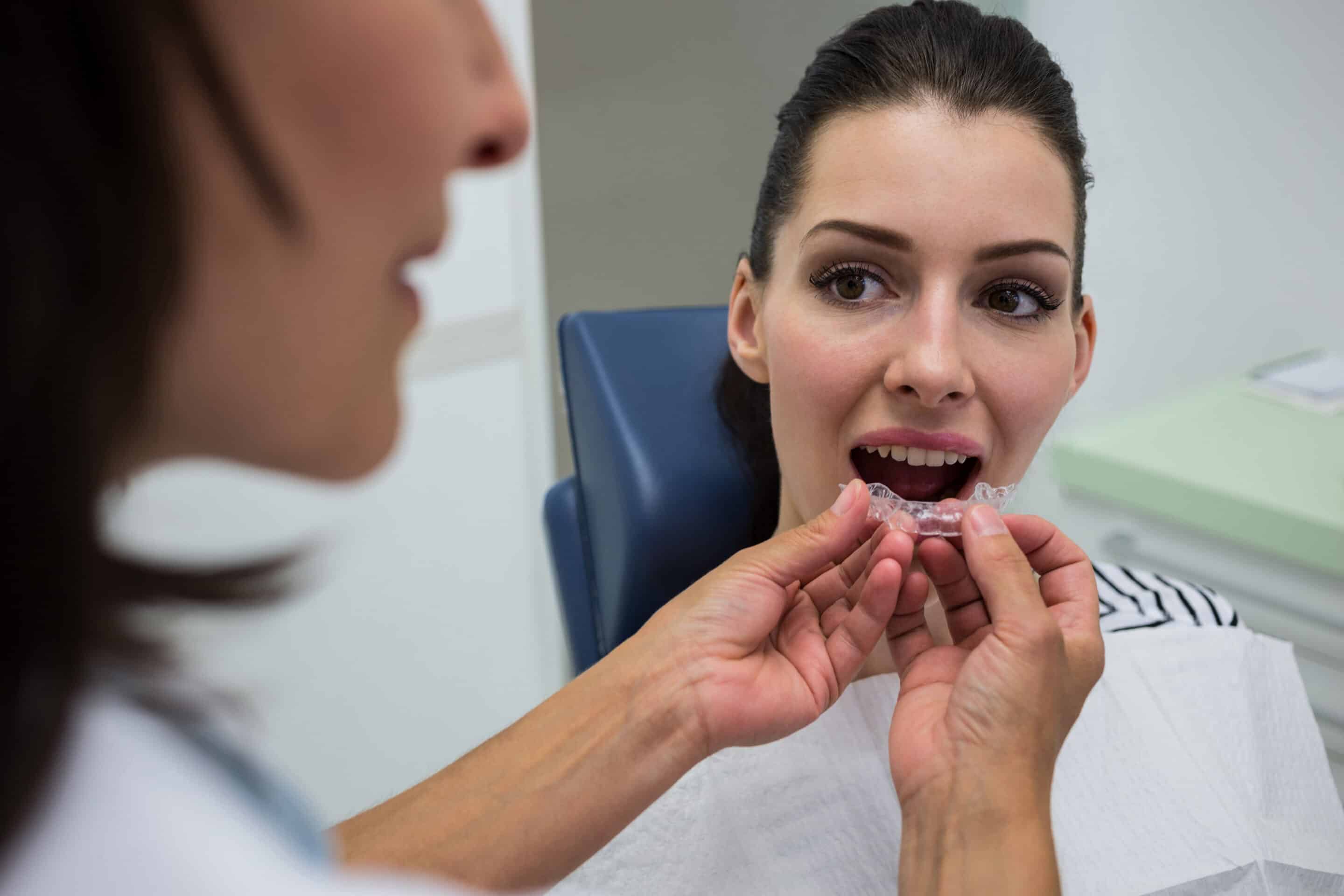
One of the primary reasons to seek immediate dental care is to alleviate pain. You don’t need to suffer. Most common emergencies cause extreme pain that makes eating, speaking, or sleeping difficult or impossible. An emergency dental visit and treatment means quicker relief from your pain.
Preventing Further Damage
Dental infections, such as abscesses, can spread rapidly and even become life-threatening if left untreated. Receiving timely dental care helps prevent infection from spreading further to other areas of the body and increasing the risk of complications.
Saving Your Tooth
If you’ve had a tooth knocked out or have a broken tooth, quick action sometimes makes the difference between saving and losing the tooth. The tooth or tooth fragment can often be repositioned and stabilized with immediate care. The longer you wait, the lower your chances of successfully saving the tooth become.
Preventing Infections
Dental infections, such as abscesses, can spread rapidly and even become life-threatening if left untreated. Prompt dental care can help prevent the infection from spreading to other parts of your body, reducing the risk of complications.
Getting Back to Normal
A dental emergency can significantly impact your quality of life, affecting your ability to eat, speak, and talk. Timely treatment helps you get back to your everyday activities.
Contact Us Today
If you suspect you may need root canal therapy, or have any questions about the procedure, feel free to call us. Our team is here to assist you with your oral health.